All Slides (20)
Presentation Title & Introduction
Pakistan's Nuclear Journey: From Civil Energy to Strategic Deterrence
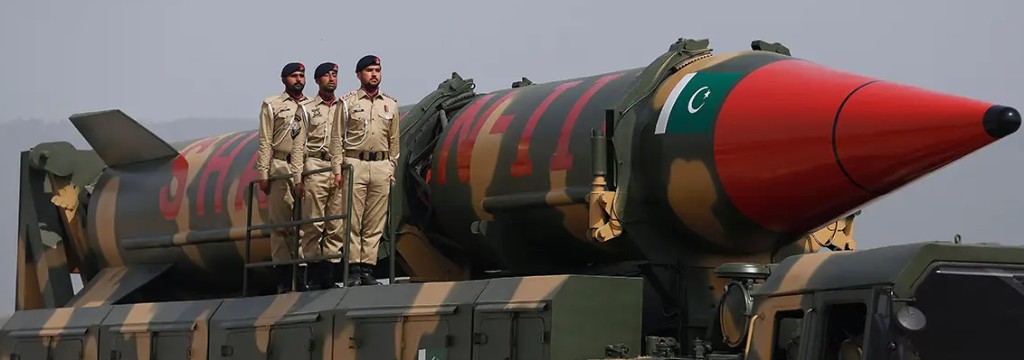
The Genesis — Atoms for Peace Program (1954)
- US Initiative: Pakistan joined the U.S. "Atoms for Peace" initiative launched in 1954.
- Civil Focus: Initial goals were strictly peaceful, focusing on agriculture, medicine, and energy.
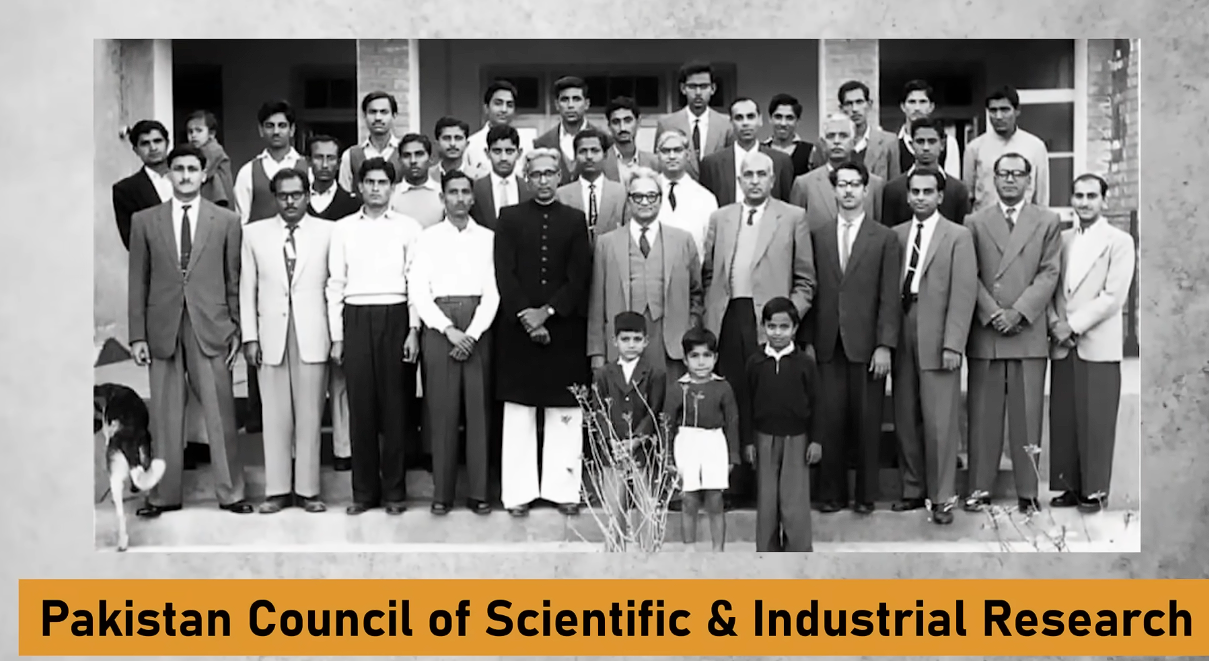
- PCSIR Established: The Pakistan Council of Scientific and Industrial Research (PCSIR) was founded to support scientific growth.
- Public Engagement: Mobile exhibitions were held across various regions of Pakistan to introduce citizens to nuclear science.
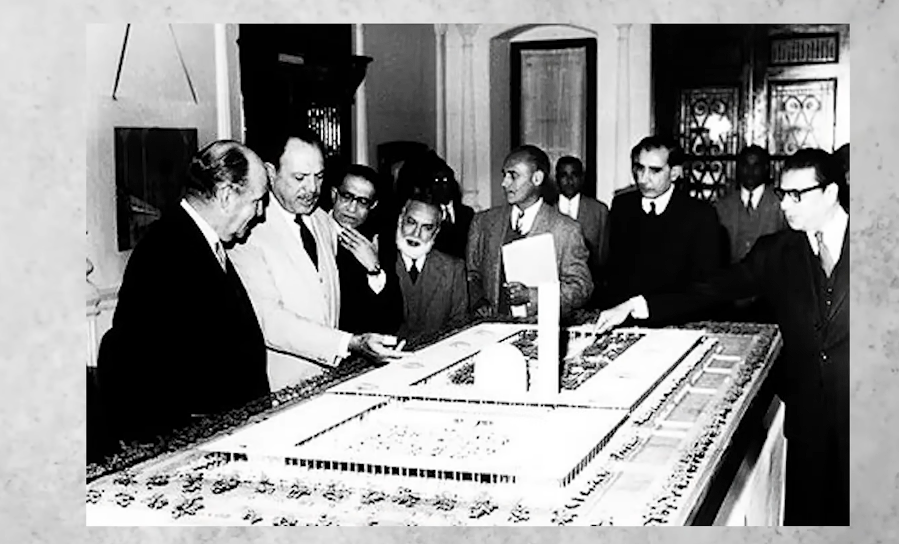
Early Infrastructure & Bilateral Agreements
- Bilateral Pact: Pakistan signed a formal civil nuclear technology agreement with the United States.
- Institutional Setup: Laid the foundations for establishing the Pakistan Atomic Energy Commission (PAEC).
- Research Infrastructure: Set the stage for obtaining Pakistan's first research reactor (PARR-I).
- International Cooperation: Positioned Pakistan within global peaceful nuclear research networks.
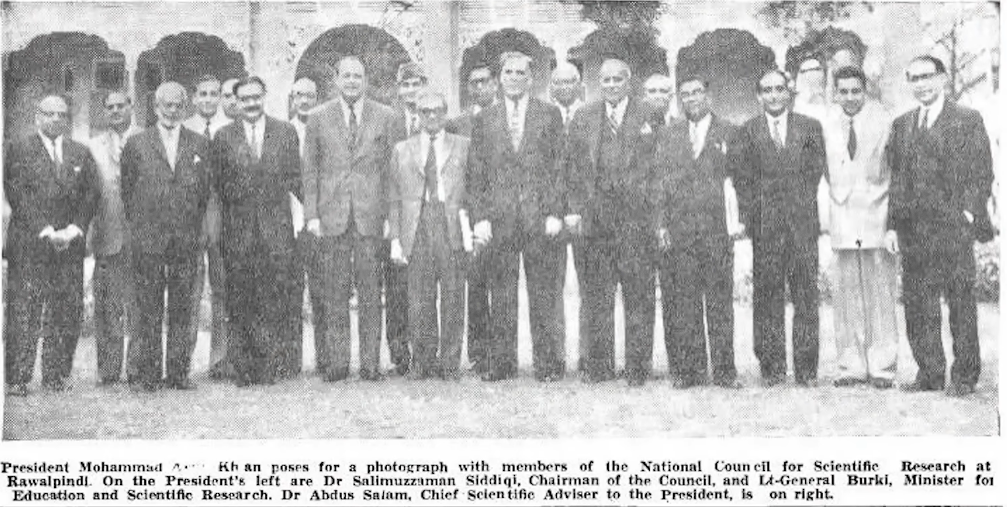
Human Capital & Technical Training (1956)
- Training Abroad: Pakistani scientists and engineers were sent to the U.S. and Western institutions for nuclear training in 1956.
- Fissile Material Handling: Scientists gained initial exposure to reactor physics, fissile material, and lab safety.
- First Research Reactor: Paved the way for setting up research reactors under IAEA safeguards.
- Building Expertise: Created the technical baseline required for future state-level projects.
The Post-1960 Strategic Shift
- Changing Dynamics: Regional security shifts in the 1960s sparked debate on military application.
- Bhutto's Vision: Zulfikar Ali Bhutto became a vocal advocate for developing a nuclear deterrent.
- Strategic Realization: Political leadership recognized that civil capacity alone was insufficient for national defense.
- Directional Pivot: Set the groundwork for shifting from purely civil applications toward defense preparedness.
Dr. Abdus Salam & Scientific Talent Drive
- Scientific Leadership: Dr. Abdus Salam led the initial effort to structure Pakistan's theoretical physics capacity.
- Selection of 500 Physicists: Dr. Salam personally selected 500 top physicists and engineers for advanced training overseas.
- Talent Backbone: This group returned to form the scientific core of Pakistan's strategic program.
- Global Network: Established vital scientific links between Pakistani scholars and world-class institutions.
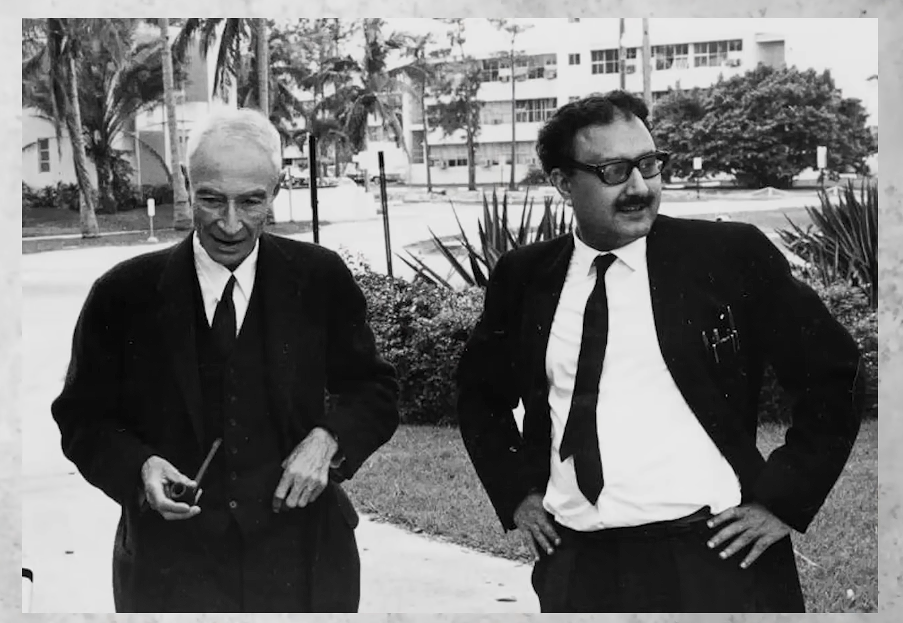
The Historic Multan Meeting (January 24, 1972)
- Historic Gathering: Prime Minister Zulfikar Ali Bhutto convened top scientists and engineers in Multan on January 24, 1972.
- Formal Decision: Official directive issued to develop a nuclear weapon capability.
- Dual Track Strategy: Initiated plans for plutonium enrichment and infrastructure expansion.
- Consensus: United the political leadership and scientific community behind a single national objective.
PAEC & The Plutonium Route (1974)
- Plutonium Program: PAEC began focused work on weapon-grade plutonium extraction by 1974.
- Reactor Infrastructure: Efforts centered around heavy water reactors and reprocessing research.
- Institutional Expansion: Expanded PAEC facilities across the country to support classified research.
- Parallel Research: Maintained nuclear energy projects alongside defense research.
Political Shifts & Dr. Abdus Salam's Departure
- Constitutional Change: The passage of the 2nd Constitutional Amendment in 1974 declared Ahmadis non-Muslims.
- Dr. Salam's Resignation: Being an Ahmadi, Dr. Abdus Salam resigned from his official advisory roles in protest.
- Attitude & Departure: Dr. Salam relocated abroad, though his early contributions to talent selection remained foundational.
- Program Continuity: PAEC and institutional teams maintained project momentum despite political transitions.
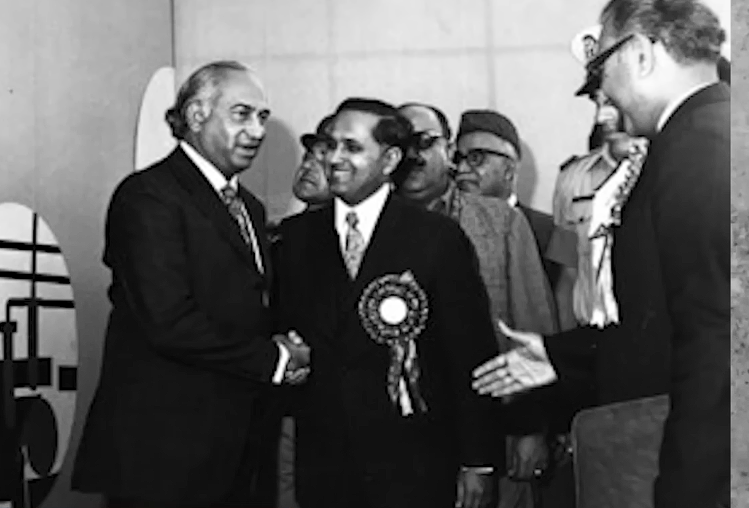
China-Pakistan Early Technical Linkages
- 1972 Diplomacy: Dr. Abdus Salam was dispatched to China to meet with Chinese leadership.
- No Written Agreement (1972): Initial diplomatic outreach did not yield a formal written nuclear pact.
- 1982 Material Delivery: By 1982, China provided essential nuclear material (enriched uranium in metallic boxes).
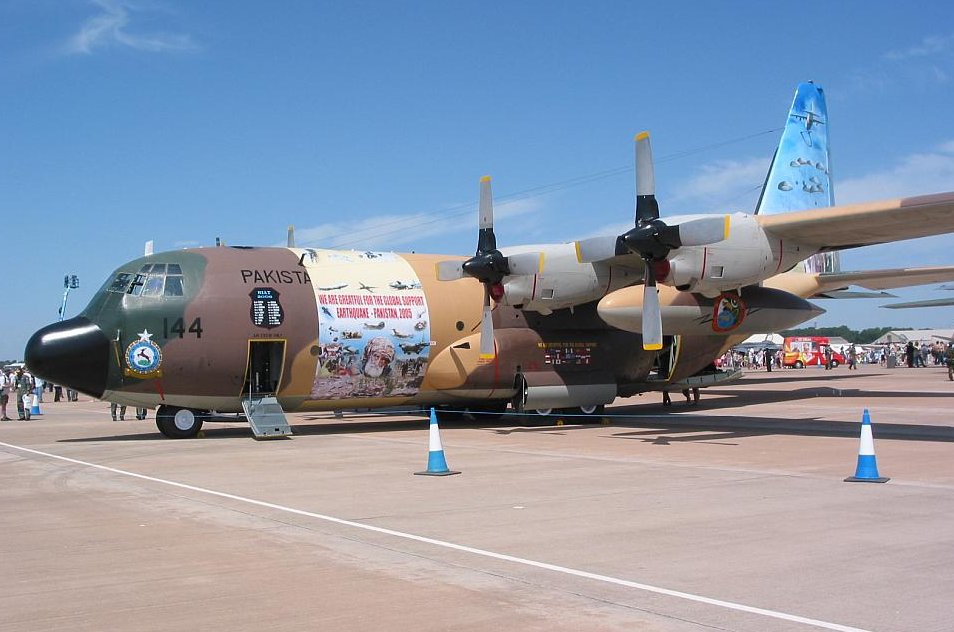
- Logistics: The material was delivered via C-130 transport aircraft, providing key support during a crucial development phase.
The A.Q. Khan Letter & Uranium Offer (1974)
- Contact from Europe: Dr. Abdul Qadeer Khan, working at URENCO in the Netherlands, wrote a pivotal letter to Bhutto in 1974.
- Indigenous Proposal: Assured Bhutto that Pakistan could enrich uranium locally using gas centrifuge technology.
- Alternative Route: Offered a faster, more feasible alternative to the complex plutonium reprocessing route.
- A.Q. Khan's Return: Dr. A.Q. Khan returned to Pakistan to lead the centrifuge enrichment initiative.
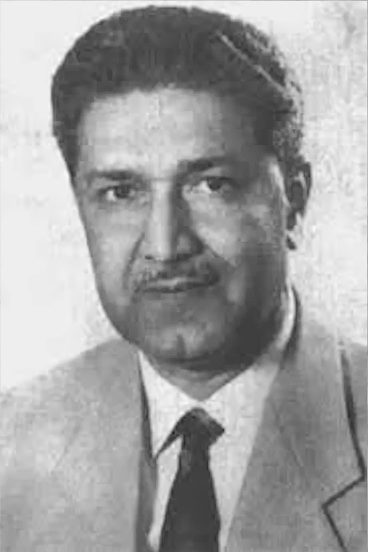
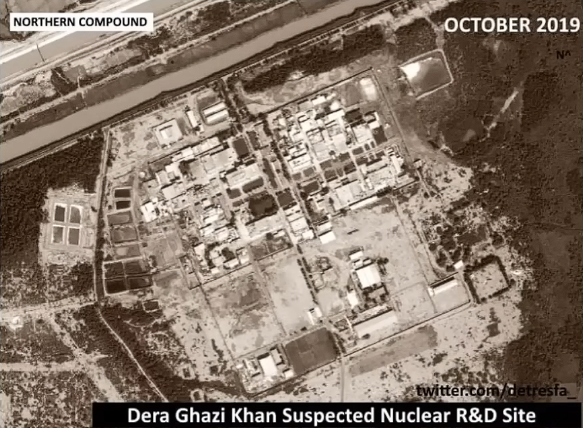
Raw Material Sourcing — The Yellowcake Plant
- Local Raw Material: Established a yellowcake (uranium ore) extraction plant in South Punjab (Baghalchur, D.G. Khan) in the mid-1970s.
- Supply Chain Security: Secured a local supply of natural uranium for conversion into feed gas (UF6).
- Resource Independence: Reduced dependency on foreign raw material imports subject to international embargoes.
- Fuel Cycle Base: Formed the essential first stage of the indigenous uranium fuel cycle.
Kahuta Research Laboratories (KRL) & Centrifuges
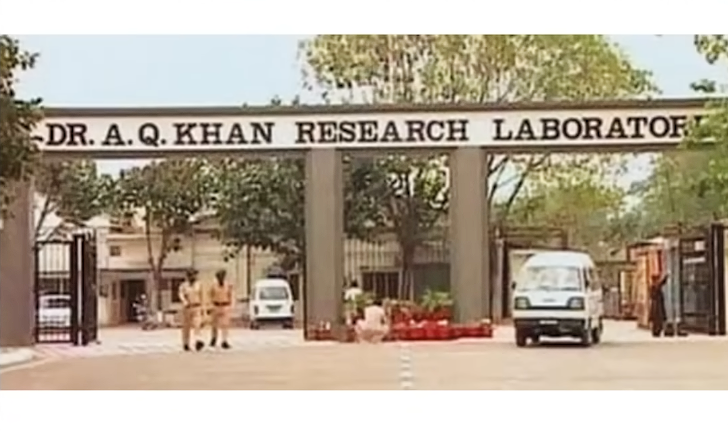
- Facility Setup: Established the Engineering Research Laboratories (later renamed Kahuta Research Laboratories - KRL).
- Gas Centrifuge Tech: Focused on building and operating high-speed gas centrifuges for Uranium enrichment (U-235).
- Indigenous Assembly: Successfully manufactured centrifuge components despite strict Western sanctions and export controls.
- Breakthrough: Achieved weapon-grade uranium enrichment, securing Pakistan's primary fissile material route.
PAEC Cold Testing (1983)
- Implosion Design: PAEC worked concurrently on weapon design and implosion systems using U-238 and enriched materials.
- 1983 Cold Test: Successfully conducted a non-nuclear subcritical "cold test" in 1983.
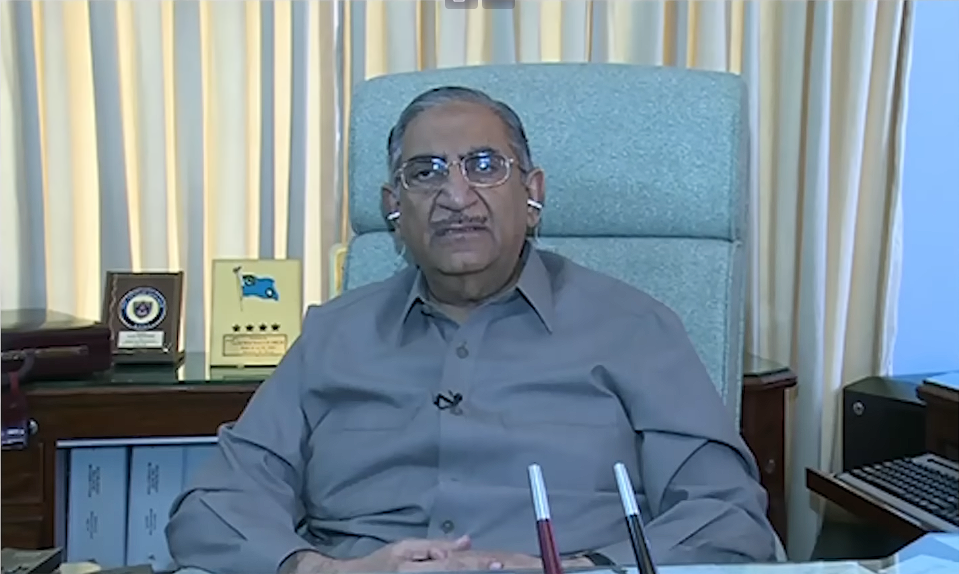
- Scientific Confirmation: Test results and trigger mechanisms were formally confirmed by Dr. Samar Mubarakmand.
- Design Validation: Validated the physics and structural integrity of the device without a radioactive yield.
Weaponization & Missile Delivery Systems (1995)
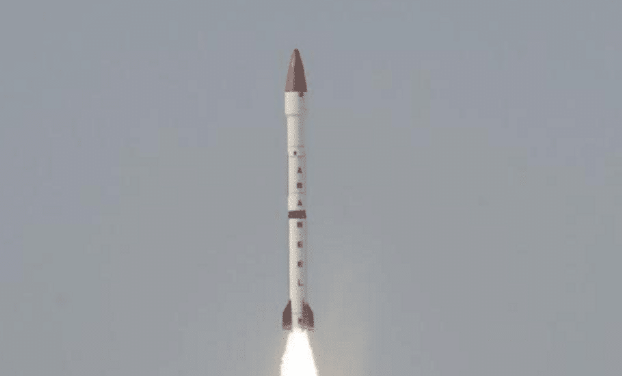
- Delivery Platforms: By 1995, PAEC and strategic organizations integrated nuclear warheads with ballistic delivery systems.
- Fully Operational: Pakistan achieved complete weaponization and reliable missile delivery capabilities by 1995.
- De Facto State: Functionally became a nuclear-armed state, maintaining a policy of deliberate ambiguity.
- Strategic Balance: Prepared the military to deploy nuclear warheads on short notice if regional deterrence failed.
Regional Escalation — India's Pokhran-II Tests (1998)
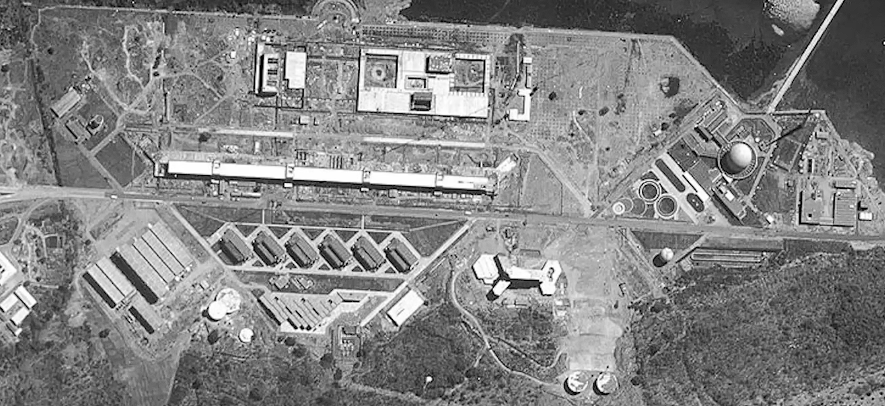
- Indian Tests: On May 11 & 13, 1998, India conducted 5 underground nuclear tests at Pokhran.
- Nuclear Declaration: India declared itself a nuclear-weapon state, altering South Asia's security dynamic.
- Strategic Imbalance: Created massive geopolitical pressure and strategic imbalance in the region.
- Deliberation Period: Pakistan faced intense international pressure not to respond, balanced against national defense needs.
- India video — nuclear tests conducted: https://www.youtube.com/watch?v=QldfsJqw7sA
Emergency Mobilization & The Balochistan Command
- Immediate Strategy: Two days after India's tests, top political and military leadership authorized a matching response.
- Command Mobilization: Dr. Samar Mubarakmand and senior PAEC/KRL teams were summoned to Balochistan.
- Site Preparation: Selected the remote Ras Koh Hills in the Chagai District of Balochistan for underground testing.
- Rapid Deployment: Mobilized scientists, technicians, and specialized equipment within days.
Strategic Logistics & Secure Transport
- Air Transport: Weapon-grade uranium and test hardware were loaded onto a C-130 transport aircraft.
- Air Escort: Flying under high security, the transport was escorted through Pakistani airspace by F-16 fighter jets.
- Quetta to Chagai: Arrived in Quetta, then transferred via military helicopters directly to the mountain test site.
- Tunnel Sealing: Installed devices inside deep underground tunnels and sealed them with concrete and steel.
Youm-e-Takbeer — May 28, 1998
- Execution: On May 28, 1998, at 3:16 PM PKT, Pakistan detonated 5 underground nuclear devices at Chagai.
- Visual Confirmation: The Ras Koh mountain changed color as the nuclear yield was successfully contained underground.
- Official Announcement: Pakistan officially announced its status as the world's 7th nuclear power and 1st in the Muslim world.
- Follow-up Test: A 6th test was conducted on May 30, 1998, at the Kharan desert site to complete the test series.
- Pak nuclear bomb video: https://www.youtube.com/watch?v=9gS4FhQp6yw
- Nawaz Sharif speech on nuke test: https://www.youtube.com/watch?v=raPjdEPAiBk
Summary & Historical Impact
- Timeline Recap — 1950s–1960s: Peaceful research and talent development.
- Timeline Recap — 1970s–1980s: Technical indigenization, KRL centrifuges, and cold testing.
- Timeline Recap — 1990s: Delivery integration and 1998 public deterrence.
- Strategic Balance: Restored the balance of power in South Asia.
- National Heritage: Commemorated annually on May 28 as Youm-e-Takbeer.